
Admiral Insurance Group offers Products Liability insurance that is designed for moderate-to-high-risk accounts. This coverage is made available exclusively by our national network of wholesale brokers.
What’s at Risk
When a product breaks, doesn’t perform as promised– or worse–turns deadly, manufacturers, importers, distributors, and even sellers can be accused of negligence, regardless of actual fault. Products Liability insurance protects your clients in the event of a defective product. Every business must protect their business and assets against these potential claims.
Our Solution
Admiral’s Products Liability coverage is targeted to manufacturers and distributors of a wide range of products from moderate-to-high-risk. The innovative underwriters on our casualty team craft customized coverage solutions to meet the needs in this competitive space.
Products Liability Coverage
Learn more about Admiral’s Products Liability coverage, including coverage capabilities and sample classes.
Coverage Capabilities
- From new start-ups, established businesses, to businesses being sold/discontinuing operations
- Stand-alone Products Liability, or full CGL
- Discontinued Products Liability – entire product line or specific products
- Occurrence or claims-made coverage form
- IBNR (nose) cover; retroactive coverage for gaps in prior insurance
- Primary commercial general liability (CGL) up to $5M available
- Product withdrawal expense (CG0436) coverage available
- Deductible options ranging from zero/no deductible, low, to self-insured retentions with approved TPAs
- Excess follow form available up to $10M, subject to combined primary/excess limit of $11M
- Worldwide coverage available
- ISO and Admiral forms & enhancements
- “Swing premium and premium audit waiver”: flexibility for sales more/less than anticipated; money back or no audit in many cases.
- “Manufacturers and distributors enhanced coverage”: includes med-pay for product-related losses, product design coverage, a collection of additional insured forms and more.
Sample Classes
- Amusement products from playground equipment, bounce houses, roller coasters to water slides
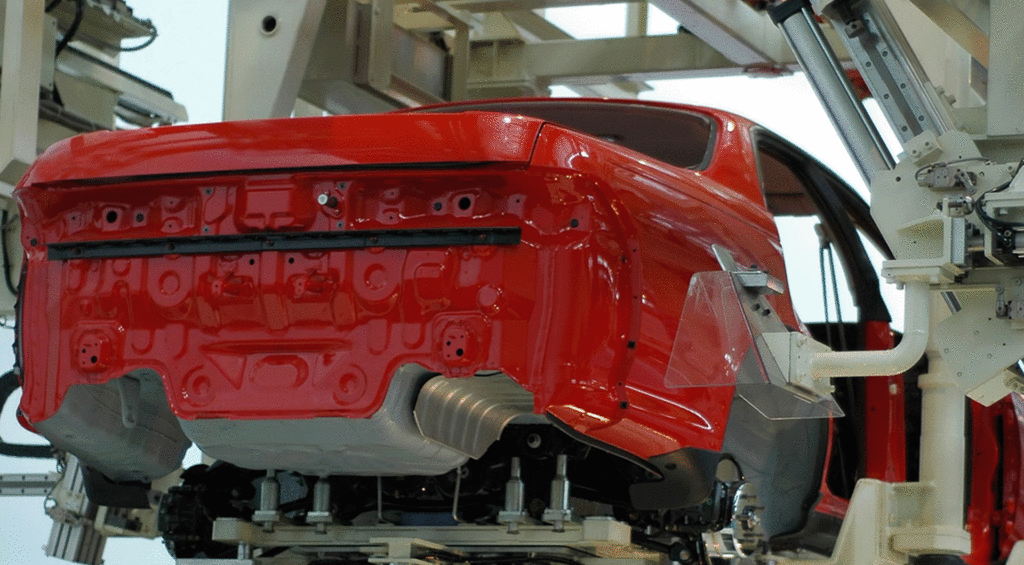
- Automobiles and auto parts – OEM to after-market
- Chemicals, paints, coatings, sealants, adhesives
- Firearms – specialty guns, shotguns, rifles and parts, ammunition and accessories
- Industrial machinery/mobile equipment/machinery parts, valves, gaskets and oil and gas/energy products
- Safety products of all types, PPE and hand sanitizer
- Sporting goods, powersports equipment and parts – no contact sports helmets
- Toys, consumer goods and electronics
- Trailers, truck bodies and modifications and conversions, RVs and camper trailers
- Medical equipment/expendables
- no implantables/products left in body
Frequently Asked Questions
What does Product Liability insurance cover?
Product Liability insurance helps protect manufacturers, distributors, importers, and sellers against claims alleging that their products caused bodily injury or property damage. Coverage typically includes legal defense costs, settlements, and judgments arising from alleged design defects, manufacturing defects, or inadequate warnings or instructions.
Admiral’s Product Liability coverage is designed for moderate-to-high-hazard product exposures and can be purchased as a standalone policy or combined with a Commercial General Liability (CGL) policy for broader protection.
Is failure-to-warn considered a Products Liability claim?
Yes. Failure-to-warn allegations are one of the most common forms of Product Liability claims. These claims typically allege that a manufacturer, distributor, or seller did not provide adequate instructions, warnings, or labeling regarding potential hazards associated with a product.
If the product fails and causes a downstream loss (like spoilage or lost income), is that covered?
It depends on the policy language and the nature of the loss. Product Liability policies primarily respond to third-party bodily injury and property damage claims. Pure financial losses such as lost income, loss of use, or product spoilage may not be covered unless they result from covered property damage or are specifically addressed within the policy.
How does coverage apply to products sold years ago that allegedly cause injury today?
Coverage is typically determined by the policy trigger and coverage form. Occurrence-based policies generally respond if the injury occurred during the policy period, even if the claim is not made until years later. Claims-made policies generally require the claim to be reported during the policy period.
Because some product-related injuries may not become apparent until years after a product is sold, it’s important to review the policy’s coverage trigger, reporting requirements, and any applicable retroactive dates. State-specific statutes of limitation and statutes of repose may also affect how long a claimant has to bring a lawsuit.
How do specialty carriers handle discontinued products coverage?
Many specialty carriers can provide coverage for discontinued products, helping protect companies that have sold a product line, ceased operations, or stopped manufacturing specific products. Admiral can consider discontinued products coverage for entire product lines or specific products, helping address long-tail liability concerns.
What are the common requirements for Product Liability insurance applications?
To evaluate Product Liability exposures, underwriters typically request information about a company’s products, operations, and risk management practices. Common application requirements include:
- Product descriptions and specifications
- Manufacturing and quality control information
- Importers: country of origin and quality control information
- Distribution channels, geographic markets and sales data
- Product warnings, instructions and labeling
- Loss history and claims experience
- Premises-type: retail locations, warehouses, offices, manufacturing facilities.
- Contractual risk transfer measures
- Recall history, if applicable
Providing complete and accurate information helps underwriters evaluate the risk more efficiently.
What factors influence the cost of Product Liability insurance?
Pricing is typically influenced by:
- Product type and hazard level
- Annual sales and revenue
- Geographic Distribution
- Retail exposure
- Claims history
- Manufacturing controls
- Product testing procedures
- Industry class
- Contractual obligations
- Recall exposure
Because every business and product is unique, pricing is determined based on the overall risk profile of the applicant and the specific exposures presented by its products and operations.
Can startup manufactuers obtain Product Liability coverage through the E&S market?
Yes. Many startup manufacturers seek coverage in the E&S market because they lack operating history, have limited loss experience, or produce innovative products that fall outside standard market appetite. Admiral’s Products Liability appetite includes everything from new startups to established manufacturers.
Can importers and distributors obtain E&S Product Liability coverage?
Yes. Importers and distributors may be held legally responsible for bodily injury or property damage arising from products they sell, even when they did not manufacture the product. When products are sourced internationally, importer exposure can increase as recovery against foreign manufacturers may be limited. Admiral’s Products Liability coverage can be tailored to manufacturers, importers, distributors, and other participants in the product supply chain.
How do underwriters assess emerging technology products?
Underwriters evaluate how the product is designed, manufactured, tested, distributed, updated, and supported throughout its lifecycle. For emerging technologies, special attention is often paid to software components, cybersecurity considerations, regulatory requirements, quality control processes, and real-world product use. Admiral’s underwriting approach emphasizes understanding how innovative products operate and where unique liability exposures may exist.
Why should brokers consider an E&S carrier for difficult-to-place product liability risks?
Underwriters evaluate how the product is designed, manufactured, tested, distributed, updated, and supported throughout its lifecycle. For emerging technologies, special attention is often paid to software components, cybersecurity considerations, regulatory requirements, quality control processes, and real-world product use. Admiral’s underwriting approach emphasizes understanding how innovative products operate and where unique liability exposures may exist.
Download the Products Liability Brochure
Related Blog
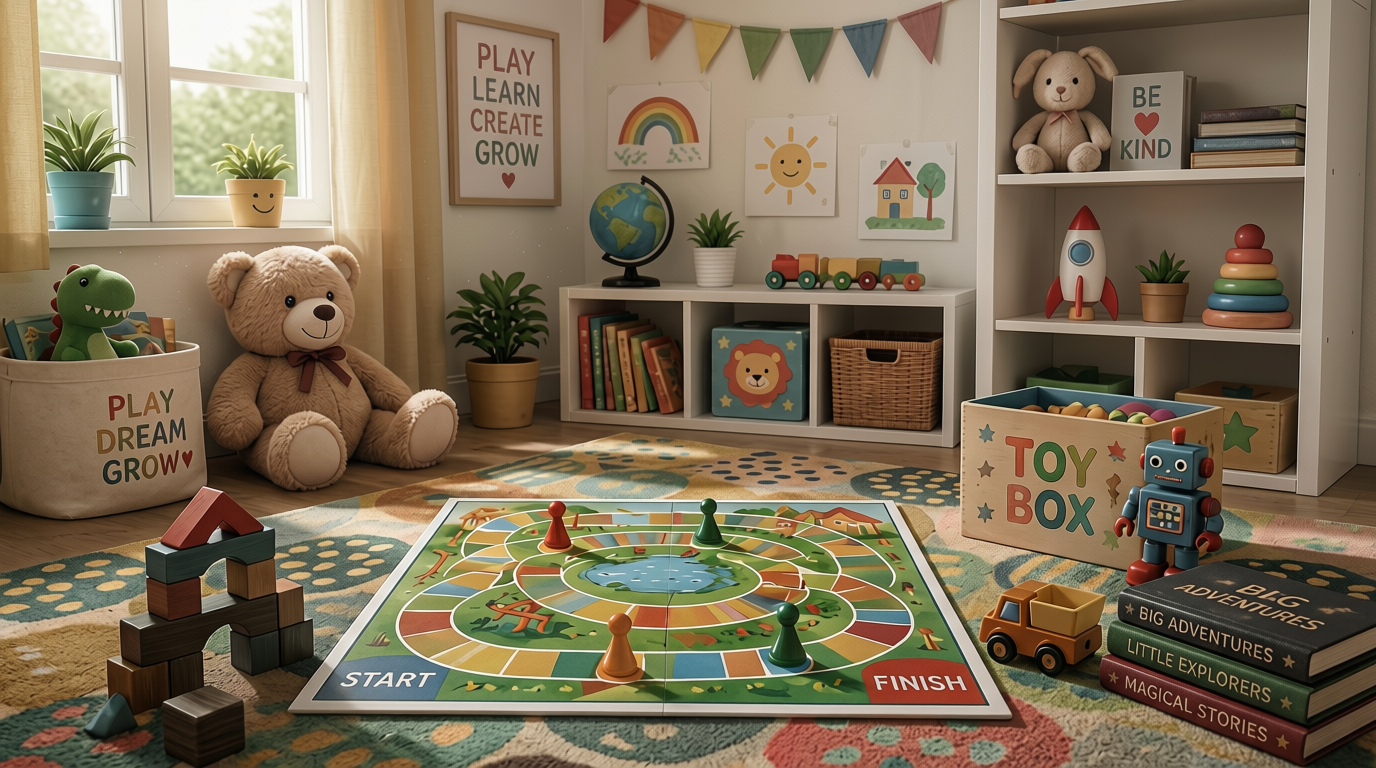
Learn why product liability insurance is about more than the product itself—and how underwriters evaluate the people, processes, and controls behind every risk.