
Estimated reading time: 6 minutes
Why products that seem simple often require the most thoughtful underwriting.
A product risk may seem simple. It rarely is.
A children’s toy. A kitchen gadget. A piece of recreational equipment.
At first glance, some product risks can appear straightforward. But as any experienced casualty underwriter knows, it’s often the products that seem the simplest that require the closest look.
People are unpredictable. Even if the product itself seems simple, people don’t always use it the way it was intended.
– Taylor Brock, Team Lead, Casualty Underwriter
That’s why product liability underwriting goes beyond what a product is designed to do. Effective product liability underwriting considers not only the product itself but also how it may be used, misused, tested, and managed throughout its lifecycle.
People Are Part of Every Product’s Risk Profile
When evaluating a manufacturer or distributor, the product itself is only part of the story.
When people think about Product Liability coverage, it’s natural to focus on what a product is designed to do. Underwriters also think about everything that could happen after it leaves the manufacturer’s hands.
Products are often:
- Dropped.
- Modified.
- Used in unintended ways.
- Used by children instead of adults.
- Used in environments they weren’t designed for.
Sometimes the greatest exposure isn’t a manufacturing defect—it’s how unpredictable people can be.
That doesn’t make a product a poor risk. It simply means there’s more to understand.
Product Liability Underwriting: Beyond the Product
That’s why underwriters look beyond the product itself. Questions like these help complete the picture:
- How is the product tested?
- What quality control measures are in place?
- How are defects identified and addressed?
- Does the company have experience manufacturing this type of product?
- Have there been prior losses, and if so, what changed afterward?
A complete submission that answers these questions helps support the product liability underwriting process, giving underwriters a clearer understanding of the risk, not just the exposure.
Check out Admiral’s E&S Submission Checklist to confirm you have a complete submission.
Key Factors in Product Liability Underwriting
Strong operational controls tell part of the story. Context tells the rest. Understanding why an account is being marketed, what has changed, and how prior losses were addressed helps underwriters evaluate the opportunity instead of making assumptions.
One of the most valuable pieces of information a broker can provide isn’t found on an application. It’s the narrative:
- Why is the account coming to market?
- Is the incumbent exiting?
- Has the insured expanded into new products?
- Have operational controls improved?
When prior losses exist, what happened, and what steps were taken to prevent similar claims in the future?
Context allows underwriters to evaluate opportunities instead of making assumptions.
If you’re placing manufacturers, distributors, importers, or other product-driven accounts, providing that context upfront can make the quoting process faster and more productive for everyone.
Good Risks Aren’t Perfect Risks
Every product carries some level of exposure.
One of his favorites involved a manufacturer of personal submersibles.
The goal of product liability underwriting isn’t to eliminate every possible risk. It’s to understand how that risk is managed. Throughout his career, Taylor has written accounts that many markets declined simply because they were unusual.
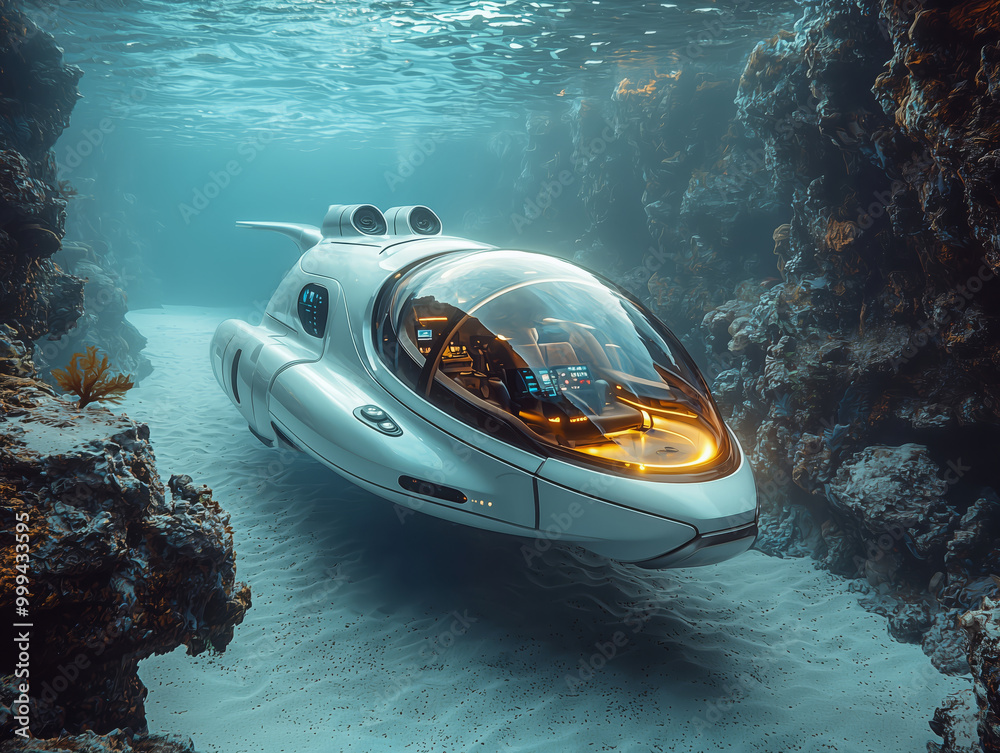
Rather than focusing solely on how unique the product was, the underwriting discussion centered on the fundamentals: decades of manufacturing experience, rigorous product testing, and strong quality control processes.
Those characteristics—not the novelty of the product—made the difference.
Current Product Liability Opportunities
Taylor and Admiral’s Casualty team are always interested in reviewing well-managed casualty risks with strong operational controls. Current areas of interest include:
- Manufacturers and distributors with documented product testing and quality control programs
- General contractors with strong safety practices and favorable loss history
- Roofing contractors that demonstrate effective training, supervision, and risk management
- Traffic control contractors with established operational procedures and experience
- Unique or difficult-to-place casualty risks that may benefit from technical underwriting and customized coverage solutions
Learn more about Admiral’s Product Liability Insurance solutions.
How Product Liability Underwriting Evaluates Risk
Product liability underwriting focuses on understanding how a product is designed, manufactured, tested, distributed, and ultimately used by consumers. While product characteristics matter, underwriters also evaluate quality assurance practices, claims history, operational controls, and the overall risk management culture of the organization.
Not Sure if it Fits?
Reach out anyway. Some of the best opportunities start with a conversation. Our Casualty team is ready to respond quickly, explore creative solutions, and work with you to structure deals for complex and unique casualty risks.
Admiral’s approach to product liability underwriting focuses on understanding the full story behind the risk, not just what’s listed on the application.
Meet Admiral’s Seattle Casualty Team
Quick Answers from the Underwriter
What information should every Product Liability submission include?
A complete Product Liability submission should include a completed application, current loss runs, loss narratives for any prior claims, a description of the products, revenue information, and details about product testing and quality control procedures. Explaining why the account is being marketed, such as a change in carrier or new operations, also gives underwriters valuable context when evaluating the opportunity.
How can I get a quick indication on a product liability account?
The fastest way to receive a preliminary indication is to submit the key information upfront. At a minimum, include:
- A description of the products and/or operations
- Annual revenue, units, or other necessary exposure information
- Loss narratives for any claims
Providing this information early helps underwriters evaluate the risk more quickly and identify any additional information that may be needed.
What do product liability underwriters look for when evaluating a risk?
Product liability underwriters evaluate more than the product itself. They look at the manufacturer’s experience, quality control processes, product testing, claims history, operational controls, and overall risk management practices. A well-documented submission helps underwriters understand how the business identifies and manages product liability exposures.
Are unique or unusual products automatically considered high risk?
Not necessarily. A unique product doesn’t automatically mean it’s a poor underwriting opportunity. Many specialty products can be attractive risks when the manufacturer has strong quality control procedures, documented product testing, experienced leadership, and a favorable loss history. The overall management of the risk is often more important than how unusual the product may be.
Why are loss narratives important in product liability underwriting?
Loss runs show that a claim occurred, but loss narratives explain what happened, why it happened, and what corrective actions were taken afterward. This additional context helps underwriters evaluate whether past claims represent an ongoing exposure or an issue that has already been addressed.
What types of product liability risks is Admiral interested in reviewing?
Admiral welcomes the opportunity to review a broad range of product liability risks, including manufacturers, distributors, importers, and specialty products. We’re especially interested in well-managed businesses with strong operational controls, documented quality assurance programs, and submissions that provide clear information about the account and its exposures.